
by Miranda | Sep 21, 2026 | Neurological Rehab
Physiotherapy can help people move more comfortably, improve strength and balance, manage the effects of illness or injury, and feel more confident completing everyday activities. It is not only for sports injuries or short-term pain. Physiotherapy can also be an...

by Miranda | Sep 10, 2026 | Neurological Conditions
There are two main types of stroke: ischaemic stroke and haemorrhagic stroke. An ischaemic stroke happens when a blood clot blocks the flow of blood to part of the brain, while a haemorrhagic stroke happens when a blood vessel in or around the brain bursts and causes...

by Miranda | Sep 10, 2026 | Neurological Conditions
Imagine waking up after a full night’s sleep and still feeling like your brain is wading through thick mud. You manage to get through a morning meeting, but by lunchtime your head feels heavy, words are harder to find, and even deciding what to eat feels overwhelming....

by Miranda | Sep 10, 2026 | Neurological Conditions
There is no single recovery timetable for neuro fatigue. After a brain injury or stroke, fatigue may improve over time, but some people experience persistent difficulties for months or years. How long it lasts depends on the individual and the factors contributing to...
by Miranda | Sep 8, 2026 | Exercises
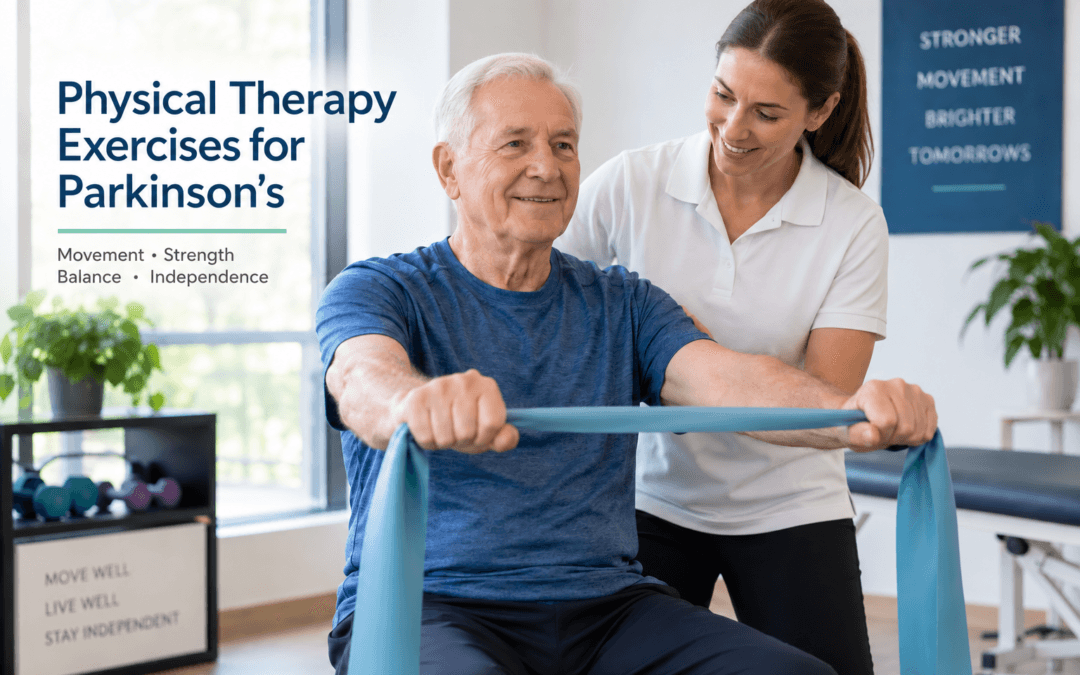
10 Best Exercises for Parkinson’s Disease Exercise is an important part of managing Parkinson’s disease. The right exercises can help maintain strength, balance, flexibility and mobility, while supporting everyday activities such as walking, standing up from a chair...
