

Living with arthritis often means waking up with pain, stiffness and joints that simply do not move the way they used to. Even simple tasks such as climbing stairs, turning taps or getting out of a chair can become uncomfortable and frustrating. Many people feel as though their mobility is slipping away bit by bit, and the fear of losing independence can be just as challenging as the pain itself. It is no surprise that one of the most common questions asked is: Does physiotherapy help with arthritis?
Arthritis affects people differently, but the underlying problems are similar. Joint discomfort, reduced movement, and difficulty staying active can all limit daily life. This article explains how physiotherapy can effectively manage these symptoms, why it works and what kind of results you can expect. You will learn the key physiotherapy approaches used for different forms of arthritis and how they support long-term joint health. By the end, you will have a clear understanding of how physiotherapy can fit into your treatment plan and help you move with confidence again.
Key Takeaways
- Physiotherapy offers a safe, effective and widely endorsed way to manage arthritis pain, stiffness and loss of mobility.
- Within a few weeks of starting the right programme, many people notice reduced pain, better joint movement and easier everyday activities.
- A combination of guided exercise, manual therapy and self-management helps strengthen supportive muscles, maintain joint health and improve quality of life.
- Physiotherapy works for different types of arthritis, including osteoarthritis, rheumatoid arthritis and other inflammatory forms, because it can be tailored to each person’s needs.
- Long-term physiotherapy may reduce reliance on pain medication, delay surgical interventions and support ongoing joint function.
How Physiotherapy Helps with Arthritis

Physiotherapy offers more than temporary pain relief: it helps address the underlying issues of arthritis by improving joint mobility, muscle strength, and movement patterns. Rather than encouraging rest and inactivity, modern physiotherapy recognises that appropriate, controlled movement supports joint health and function.
By strengthening the muscles around arthritic joints, physiotherapy reduces direct load and stress on damaged cartilage and bone surfaces. Joint mobilisation and soft tissue therapy restore normal joint mechanics and reduce stiffness. Education on joint protection and self-management helps patients avoid flare-ups and manage daily activities more safely and confidently.
Physiotherapy is effective because it supports joints in a complete way. It addresses inflammation, muscle weakness, joint stiffness and poor movement habits. Over time, this multi-layered approach helps restore function and maintain independence.
The Role of Exercise Therapy
Exercise therapy forms the backbone of physiotherapy for arthritis. Targeted stretching, range-of-motion routines, low-impact strength work, and gradual progression help improve flexibility, preserve mobility, and strengthen muscles without increasing joint stress or inflammation. These exercises ease pain and improve joint flexibility, making everyday tasks easier and reducing mobility problems. Physiotherapists design personalised exercise plans that follow physical activity guidelines to ensure safe progression and avoid doing too much exercise, which could worsen symptoms.
In addition to strengthening muscles around affected joints like the knee joint, exercise therapy often includes low-impact aerobic activities such as walking or swimming to support cardiovascular health and maintain a healthy weight. Physiotherapy may also offer advice on assistive devices to improve balance and ease pain during movement.
Manual Therapy and Pain Relief
Manual therapy, which includes joint mobilisation, soft tissue massage and gentle hands-on techniques, helps ease joint stiffness, improve movement quality and reduce protective muscle spasms. These treatments can also stimulate circulation and encourage the release of natural pain-relieving chemicals in the body. By reducing muscle tightness and addressing joint restrictions, manual therapy supports better joint mechanics and can improve the effectiveness of exercise therapy.
Education and Self-Management
A good physiotherapy programme includes advice on joint protection, pacing, proper posture and activity modification. Understanding how to move, rest and care for affected joints empowers individuals to manage arthritis over the long term rather than rely solely on medications. Education also covers strategies to recognise early signs of flare-ups and how to adjust activities accordingly, helping to prevent further joint damage. This holistic approach encourages patients to take an active role in their treatment, improving overall well-being and enabling them to maintain independence in daily life.
Physiotherapy for Different Types of Arthritis
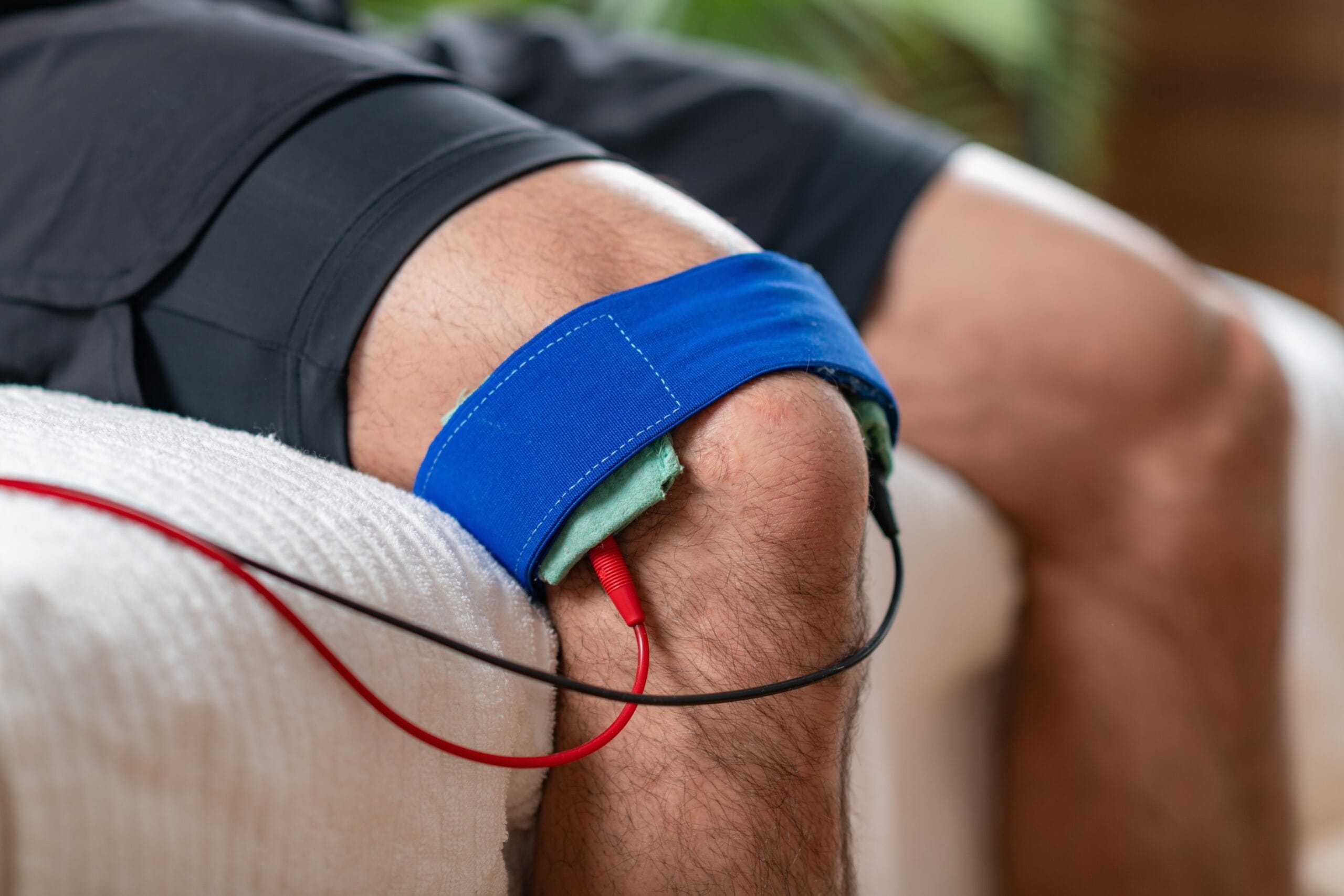
Arthritis is not a single condition. Whether someone has degenerative osteoarthritis or an inflammatory condition such as rheumatoid arthritis, physiotherapy can be adapted to suit their needs. The goals remain the same: reduce pain, preserve mobility and improve joint function.
Even though each type of arthritis affects the joints differently, physiotherapy addresses common problems: muscle weakness, joint stiffness, inflammation and loss of mobility. The treatment plan changes according to the condition, but the overall aim remains to maintain joint health and support everyday function.
Osteoarthritis
For osteoarthritis, physiotherapy often focuses on strengthening exercises, mobility training and low-impact aerobic conditioning. Strengthening key muscle groups, such as the quadriceps for knee arthritis or the gluteal and hip-flexor muscles for hip arthritis, helps offload pressure from affected joints and improve stability. Range-of-motion exercises reduce stiffness and support flexibility, while low-impact aerobic exercises such as swimming or cycling help support a healthy weight.
Rheumatoid and Inflammatory Arthritis
In cases of rheumatoid arthritis and other inflammatory forms, physiotherapy sessions are typically gentler and more focused on joint protection and symptom management. Treatment plans emphasise modified movement patterns, pacing, and gentle strengthening exercises tailored to disease activity to avoid exacerbating inflammation. Physiotherapists educate patients on joint care techniques and activity adjustments to minimise stress on affected joints while preserving function. Additionally, incorporating relaxation and breathing exercises can help manage pain messages and reduce muscle tension. This holistic approach supports immune system regulation and helps maintain overall well-being despite the challenges of chronic inflammation.
What to Expect: Results and Progress with Physiotherapy

Starting physiotherapy is often the beginning of a gradual improvement rather than an overnight cure.
Many people notice relief in pain and stiffness within 4-6 weeks. Over six to twelve weeks, consistent exercise tends to bring more substantial improvements: increased strength, better joint control, improved range of motion and easier performance of everyday tasks.
Long-term progress is supported through home exercises, good joint care and regular check-ins with your physiotherapist. With consistent effort, physiotherapy can reduce reliance on medication and may delay or avoid the need for surgery.
Medium-Term Results
After several weeks, patients usually gain better control during movement, enhanced joint stability and stronger supporting muscles. Activities like climbing stairs, standing, walking or carrying objects become more manageable. Physiotherapy can help improve mobility by addressing weak muscles around the affected joints, especially in the lower limbs, which are crucial for balance and daily tasks. At this stage, physical therapists may incorporate aerobic exercise tailored to the individual’s capacity, such as walking or swimming, to boost cardiovascular health and support a healthy weight. Assistive devices like walking aids may also be introduced to reduce joint stress and improve safety during movement.
Long-Term Benefits put benifits together.
With ongoing physiotherapy and a consistent home routine, joint function continues to improve. Pain levels often decrease, mobility increases, and independence is easier to maintain. Over time, people gain the strength and confidence needed to stay active and manage arthritis more effectively. Long-term physiotherapy also helps reduce flare-ups and supports overall quality of life.
Conclusion
Physiotherapy provides a proven, practical and personalised approach to managing arthritis. By combining guided exercise, manual therapy and self-management education, it addresses the root causes of pain, stiffness and loss of mobility rather than only treating symptoms.
Whether you have osteoarthritis, rheumatoid arthritis or another form, physiotherapy offers tools to improve joint function, support muscles, and maintain activity and independence. If you’re living with arthritis, arranging an assessment with a qualified physiotherapist is a solid step toward better long-term joint health.
Consistent care and adherence to a tailored physiotherapy plan can make a real difference: reducing pain, improving movement and helping you stay active every day.